Case-Specific AI vs. ChatGPT: Why the Difference Matters for Lawyers
The future of AI in legal practice isn't a more impressive ChatGPT. It's AI that knows the file. DocketBreeze is built on that idea from the ground up.
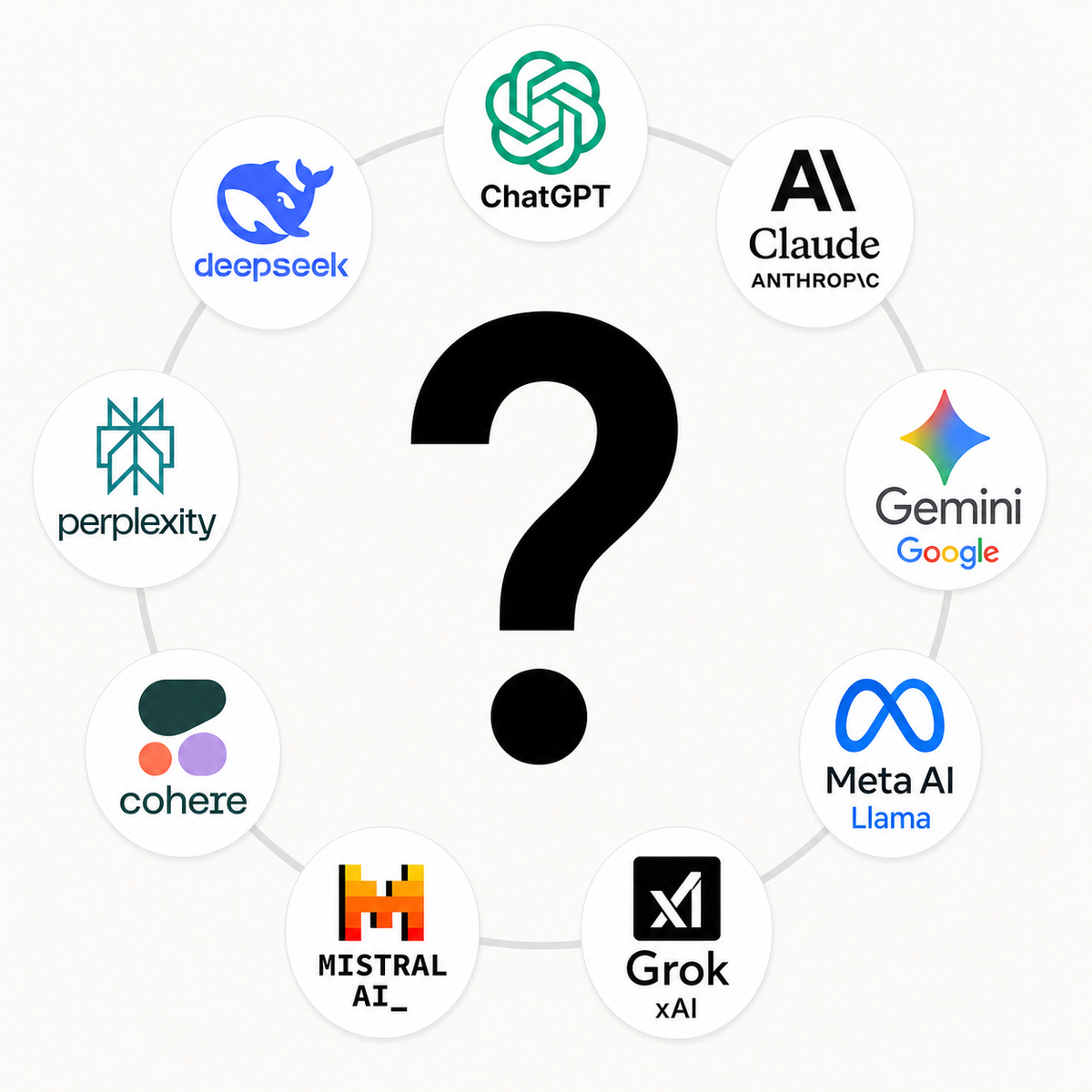
Every lawyer has now read the story, and most know one personally, of an attorney sanctioned for filing a brief that cited cases ChatGPT made up. The hallucinations were confident, the citations looked real, and the lawyer didn't check.
That story has done more to retard the adoption of AI in legal practice than anything else. And it should have. The lesson, however, is not “don't use AI in law.” The lesson is “don't use AI that doesn't know your file.”
Why ChatGPT Hallucinates
Generic LLMs (large language models) are trained on a snapshot of the public internet. They have never seen your client's complaint, your discovery responses, the protective order in your case, or the transcript from last week's deposition. When you ask one a specific question about a case, it has two options: tell you it doesn't know, or invent an answer that sounds plausible. By default, it invents.
This isn't a flaw the next version will fix. It's structural. A model trained on the internet, asked about a private case file it has never seen, has nothing accurate to say.
Case-Specific AI Solves a Different Problem
Case-specific AI takes the opposite approach. The model is grounded in the actual documents of a specific case; the complaint, the answer, every motion, every order, every discovery exchange. When asked a question, it answers from those documents, with citations to the specific paragraph. If the answer isn't in the documents, it says so.
DocketBreeze runs case-specific AI. When a client asks “what's my next deadline,” the answer comes from the actual scheduling order, with the date and the source. When they ask “did the other side admit fault,” the answer cites paragraph 14 of the answer, where the admission lives. There is no invention because there is no need to invent — the file contains the facts.
Why This Matters for the Lawyer, Not Just the Client
Case-specific AI doesn't just make the client experience better. It makes the lawyer's experience better in two specific ways:
First, the AI fields the curiosity questions. “When is my hearing” and “What does this paragraph mean” used to be phone calls. Now they're answered without the lawyer ever seeing them. The questions that reach the lawyer are the strategy questions — the ones worth billing for.
Second, the AI never invents anything. Because the answers are grounded in the actual file with citations, the lawyer can trust them. There's no risk of a client receiving a confidently wrong answer that the lawyer then has to correct.
The future of AI in legal practice isn't a more impressive ChatGPT. It's AI that knows the file. DocketBreeze is built on that idea from the ground up.