The Contact List That Builds Itself From Court Filings
DocketBreeze pulls contact information from filings the moment they enter the case.
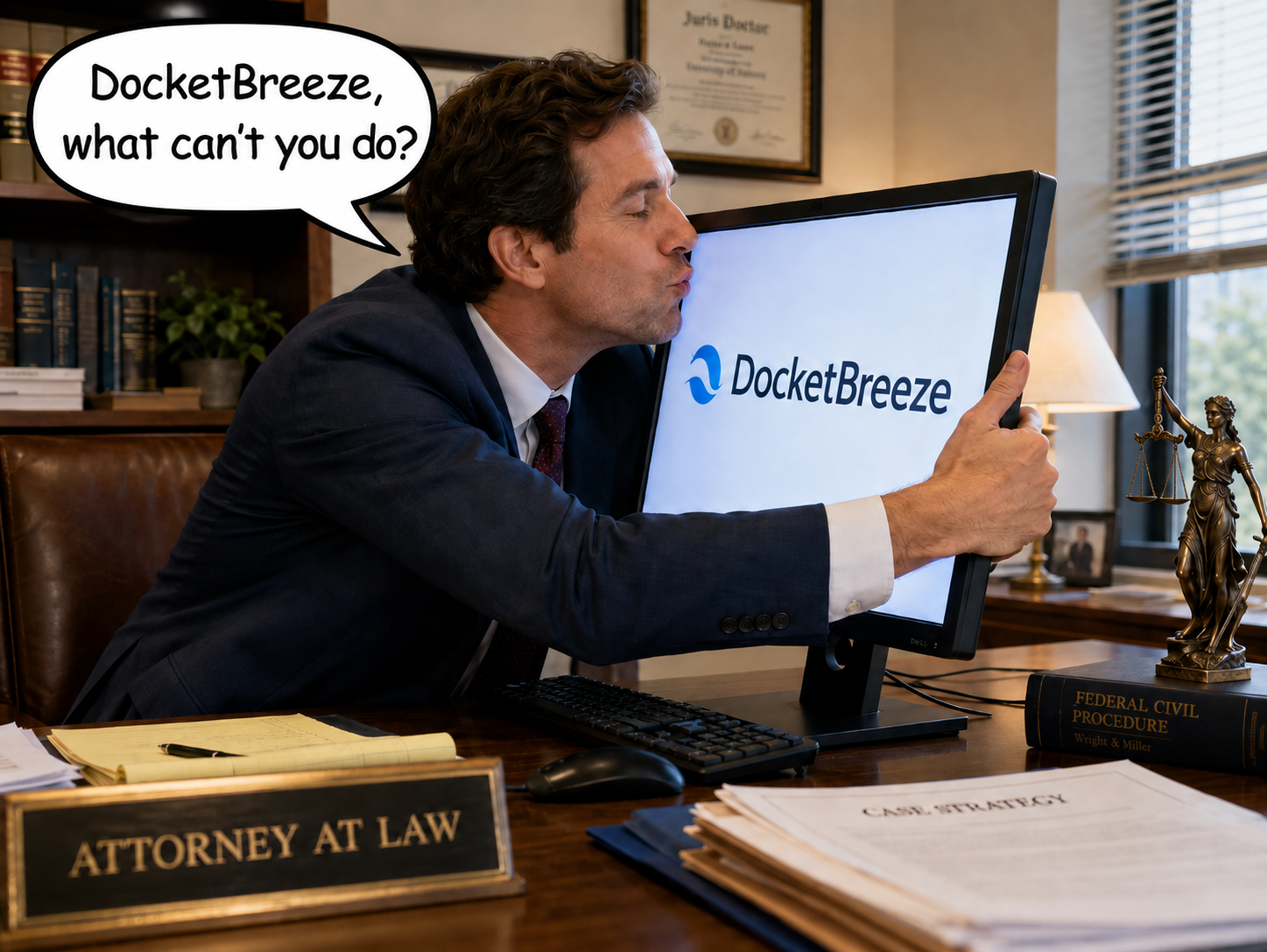
It's 4:55 on a Friday. You need opposing counsel's email, the one you've been corresponding with for six months, to send a quick clarification before the office closes. Where is it?
If your firm is typical, the answer is: somewhere. In a PDF on your desktop. In an email thread you'll have to search. In your contact app, but only if your paralegal got around to entering it. Maybe in your phone, under a name you can't quite remember.
Five minutes later you've found it. Or you've given up and called the firm's main line. Either way, that's a small embarrassment most lawyers experience often enough to stop noticing.
The Problem Is Quietly Expensive
The information itself is on file; it's in the filings, the engagement letters, the deposition notices, the scheduling orders. Names, firms, email addresses, phone numbers, addresses. Every piece of contact information you need on a case is sitting in documents you've already received.
The reason it isn't accessible is that someone has to extract it. Historically that someone is a paralegal. They open each new filing, scroll to the signature block, copy the contact info, paste it into the contact app, tag it to the case. An hour of work per case if it's done diligently. Two hours if a case has multiple parties, experts, and witnesses.
Multiply by the active caseload. The cumulative time spent on this single task, across a small firm, runs into significant numbers. None of it is billable. None of it is interesting. Most of it never gets done thoroughly, which is why the contact you need at 4:55 on Friday isn't where you'd expect it.
Automatic Extraction
DocketBreeze pulls contact information from filings the moment they enter the case. Every party in the matter; opposing counsel, opposing parties, witnesses, experts, court personnel referenced in orders, lands in a contact list automatically. Names. Firms. Email addresses. Phone numbers. Mailing addresses. All of it tagged to the case it belongs to.
The list updates as new documents come in. Every time a new attorney appears in a filing, they're added. Every time an expert is named in a discovery response, they're added. Every time a witness is identified in a deposition notice, they're added.
None of this requires anyone to do anything except continue filing documents normally.
What This Looks Like in Practice
At 4:55 on Friday, you open the case in DocketBreeze, click the contacts tab, and there's opposing counsel; with the right email, the right phone number, and the right firm. Two clicks. The clarification gets sent. The office closes. You go home.
Multiply that small recovery across a year of small recoveries and the cumulative effect is significant. The hour of paralegal data entry per case never gets spent. The contact you need is always where you expect it. The information that was already in the filings does what it was always supposed to do: be available when you need it.
This is one of the features that paralegals rave about most, because it removes a category of work from their week that they were never glad to be doing.